As of March 27, 2026, at 13:11:50, drivers must heed vehicle lights; failing to do so, as reported February 17, 2025, compromises safety significantly.
Historical Context of Signaling Lights
Long before the digital age, the need for visual communication on roads, seas, and in the air spurred the development of signaling lights. Initially, these weren’t sophisticated electronic systems, but rather relied on simple, yet effective, methods. Early forms involved lanterns and fires used to warn of hazards or indicate presence.
The evolution of signaling lights mirrored technological advancements. The advent of gas lighting in the 19th century brought brighter, more reliable signals to maritime navigation, notably in lighthouses. As the automobile emerged, basic warning lights began appearing on vehicles, though their functionality was limited compared to modern systems.
February 17, 2025, reports highlighted the continued importance of understanding these lights. These early lights, while rudimentary, established the fundamental principle of using illumination to convey critical information, laying the groundwork for the complex warning and guiding systems we depend on today, as of March 27, 2026.
Modern Importance in Safety and Navigation
Today, warning and guiding lights are integral to preventing accidents and ensuring smooth operation across all transportation modes. Modern vehicles boast a sophisticated array of lights, providing drivers with real-time information about vehicle status and potential hazards – a point emphasized in reports from February 17, 2025.
Beyond vehicles, marine and aviation industries rely heavily on advanced lighting systems. Lighthouses, now often equipped with automated technology, continue to guide ships, while runway lights facilitate safe landings and takeoffs. These systems are constantly evolving, incorporating features like LED technology for increased brightness and energy efficiency.
As of March 27, 2026, the ability to quickly and accurately interpret these signals remains crucial. Ignoring a flashing warning light, as cautioned recently, can have severe consequences. These lights aren’t merely indicators; they are vital components of a layered safety system.

Types of Warning Lights in Vehicles
Vehicle warning lights, highlighted since February 17, 2025, and relevant as of March 27, 2026, signal critical issues demanding immediate driver attention and response.
Dashboard Warning Lights: A Comprehensive Overview
Dashboard warning lights, increasingly crucial since reports surfaced on February 17, 2025, and remaining vital as of March 27, 2026, serve as the vehicle’s primary communication system with the driver. These illuminated icons alert to a vast spectrum of potential problems, ranging from minor maintenance needs to severe mechanical failures requiring immediate attention. Ignoring these signals, as emphasized in recent advisories, can lead to costly repairs or even dangerous driving conditions.
Common lights include those for low oil pressure, coolant temperature, battery voltage, and brake system functionality. Each light possesses a unique symbol and color – typically red, yellow, or green – indicating the severity of the issue. Red lights generally signify immediate danger, demanding the driver pull over safely. Yellow lights suggest a problem requiring attention soon, while green lights often indicate a system is actively engaged. Understanding these nuances is paramount for responsible vehicle operation and ensuring passenger safety.
Engine Warning Lights: Decoding the Signals
Engine warning lights, highlighted in reports dating back to February 17, 2025, and still relevant on March 27, 2026, are often the most perplexing for drivers. The “Check Engine” light, a common culprit, can illuminate for a multitude of reasons, from a loose gas cap to a failing catalytic converter. Modern vehicles utilize onboard diagnostic (OBD) systems to monitor engine performance and trigger this light when irregularities are detected.
However, not all engine lights signify imminent disaster. Some indicate minor emissions issues, while others point to more serious problems like misfires or sensor failures. A flashing “Check Engine” light typically indicates a severe issue that could damage the catalytic converter, necessitating immediate attention. Utilizing an OBD-II scanner can help pinpoint the specific trouble code, providing a clearer understanding of the underlying problem and guiding repair efforts. Ignoring these signals, as cautioned, can lead to extensive engine damage.
Brake System Warning Lights: Ensuring Stopping Power
Brake system warning lights, a critical safety feature emphasized in reports from February 17, 2025, and still vital as of March 27, 2026, demand immediate driver attention. A red brake warning light often indicates a problem with the primary braking system – potentially low brake fluid, a failing master cylinder, or a leak in the lines. Continuing to drive with this light illuminated significantly compromises stopping ability and poses a severe safety risk.

A separate warning light, often displaying the letters “ABS,” signals an issue with the Anti-lock Braking System. While the vehicle can still be stopped with conventional brakes, the ABS functionality is disabled, potentially increasing stopping distances on slippery surfaces. Furthermore, a combined brake and ABS light may indicate a more complex system failure. Prompt diagnosis and repair, guided by professional mechanics, are crucial to maintaining safe braking performance and preventing accidents.
ABS and Traction Control Lights: Maintaining Vehicle Control
As highlighted in reports from February 17, 2025, and remaining relevant on March 27, 2026, the ABS (Anti-lock Braking System) and Traction Control System lights are crucial indicators of vehicle stability. An illuminated ABS light doesn’t necessarily mean the brakes are failing, but rather the system isn’t functioning as intended. This impacts braking performance, especially on slick roads, potentially lengthening stopping distances.
Similarly, a Traction Control System (TCS) light indicates a loss of grip, or a system malfunction preventing it from operating correctly. This can occur during acceleration, particularly on loose surfaces. While the vehicle remains drivable, handling and control are diminished. Often, these lights illuminate together, suggesting a shared system issue. Ignoring these warnings, as cautioned by safety advocates, can lead to loss of control and increase the risk of an accident. Professional inspection is vital.
Guiding Lights for Road Safety
Considering updates from February 17, 2025, and current data as of March 27, 2026, road safety relies heavily on properly functioning guiding lights for all drivers.
Headlights: Functionality and Regulations
Reflecting concerns highlighted since February 17, 2025, and updated as of March 27, 2026, headlights are paramount for visibility, especially during diminished light conditions. They aren’t merely for seeing the road ahead, but also for being seen by other road users. Regulations surrounding headlight usage vary, but generally mandate their activation during nighttime driving and inclement weather – rain, fog, or snow.
Modern headlights encompass several technologies, including halogen, LED, and xenon, each offering varying levels of brightness and efficiency. Proper alignment is crucial; misaligned headlights can blind oncoming drivers or fail to adequately illuminate the road. Furthermore, many jurisdictions have specific requirements regarding headlight color and intensity. Ignoring these regulations can result in fines and, more importantly, contribute to hazardous driving conditions. Ensuring headlights are clean and functioning correctly is a fundamental aspect of responsible vehicle operation, directly impacting road safety for everyone.
Turn Signals: Communicating Intentions
Considering the safety emphasis stemming from reports dated February 17, 2025, and updated to March 27, 2026, turn signals are arguably the most crucial element of proactive communication between drivers. They clearly indicate a driver’s intention to change lanes or make a turn, allowing other road users to anticipate and react accordingly. Consistent and timely use of turn signals dramatically reduces the risk of collisions caused by unexpected maneuvers.
Despite their simplicity, turn signals are frequently misused or ignored. Regulations universally require drivers to activate their turn signal at least 100 feet before a turn or lane change. A flashing turn signal serves as a clear warning, preventing misunderstandings and fostering a safer driving environment. Failing to signal not only violates traffic laws but also demonstrates a disregard for the safety of others. Prioritizing turn signal usage is a fundamental aspect of defensive driving and responsible road citizenship.
Brake Lights: Alerting Following Drivers
Reflecting the critical safety concerns highlighted since February 17, 2025, and reiterated on March 27, 2026, brake lights are paramount in preventing rear-end collisions. These lights instantly communicate to drivers behind that the vehicle ahead is decelerating. This immediate warning allows following drivers sufficient time to adjust their speed or initiate braking, avoiding a potentially dangerous impact. A properly functioning brake light system is, therefore, a cornerstone of road safety.
The effectiveness of brake lights relies on their visibility and responsiveness. Dim or malfunctioning brake lights significantly increase the risk of accidents. Modern vehicles often incorporate high-mounted stop lamps (CHMSL) to enhance visibility, particularly in heavy traffic. Drivers should regularly inspect their brake lights to ensure they are functioning correctly. Promptly addressing any issues with brake lights is not merely a matter of compliance, but a vital safety precaution for all road users.
Hazard Lights: Indicating Emergency Situations
Acknowledging the importance of vehicle signaling, as emphasized on February 17, 2025, and again on March 27, 2026, hazard lights serve as a universal signal of distress or emergency. Activating these lights simultaneously illuminates all turn signals, alerting surrounding drivers to a potentially hazardous situation. This could include a stalled vehicle, a collision, or any circumstance where the vehicle poses a risk to other road users.
The use of hazard lights is crucial for preventing secondary accidents. By clearly indicating a problem, drivers can warn others to proceed with caution or change lanes. It’s important to remember that hazard lights do not grant immunity from traffic laws; they simply communicate a need for increased awareness. Responsible use, combined with appropriate positioning of the vehicle, maximizes their effectiveness. Regular checks to ensure functionality are vital, mirroring the overall emphasis on vehicle light maintenance for safety.
Marine Warning and Guiding Lights
Reflecting the critical need for signaling, highlighted since February 17, 2025, and reiterated on March 27, 2026, nautical lights prevent collisions and guide vessels safely.
Navigation Lights: Preventing Collisions at Sea
Stemming from the essential safety concerns emphasized since February 17, 2025, and reinforced on March 27, 2026, navigation lights are paramount for maritime safety. These lights, governed by international regulations (COLREGS), clearly indicate a vessel’s size, type, and heading to other ships during nighttime or reduced visibility conditions.
Specifically, power-driven vessels display a masthead light, sidelights (red on port, green on starboard), and a sternlight. Sailing vessels exhibit sidelights and a sternlight, with specific configurations depending on their windward or leeward status. Properly displayed and maintained navigation lights allow mariners to assess risk of collision and take appropriate action, preventing potentially catastrophic incidents. Ignoring these vital signals, as cautioned in recent reports, dramatically increases the likelihood of accidents at sea, underscoring their continuous importance.
Lighthouses: Historical Significance and Modern Technology
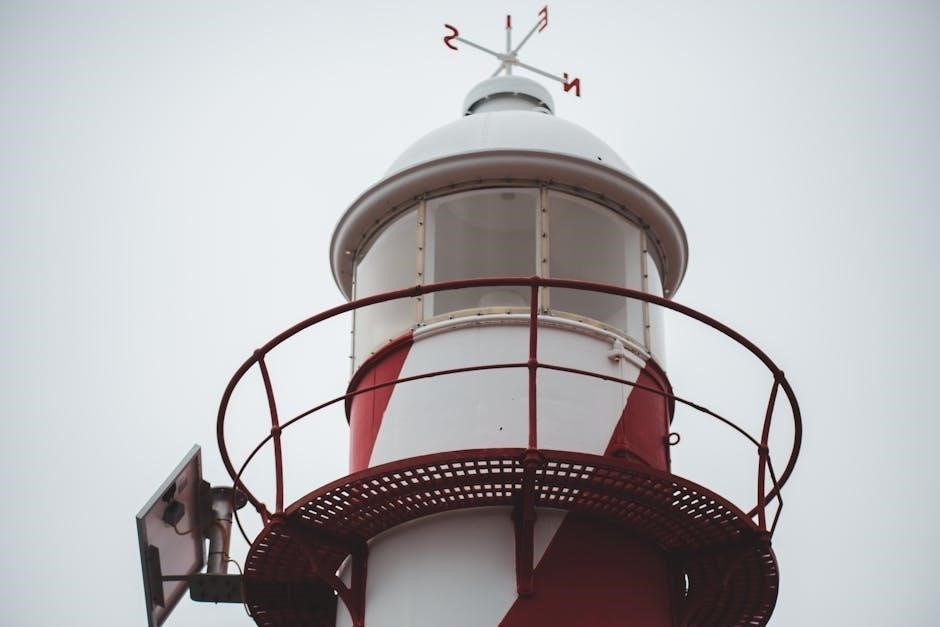
Echoing the safety warnings issued as recently as March 27, 2026, at 13:11:50, and building upon concerns raised February 17, 2025, lighthouses represent a long history of guiding mariners safely. For centuries, these structures have served as crucial navigational aids, emitting powerful beams to warn ships of dangerous coastlines, reefs, and shoals. Initially utilizing open fires, lighthouses evolved with advancements like the Fresnel lens, dramatically increasing light intensity and range.
Today, while many historic lighthouses are automated or maintained as cultural landmarks, modern equivalents incorporate sophisticated technologies like GPS synchronization, LED lighting, and remote monitoring. Despite these advancements, the fundamental purpose remains: to provide a reliable visual reference point, especially during inclement weather. The continued relevance of lighthouse principles underscores the enduring need for clear, dependable warning signals at sea.
Buoys and Beacons: Marking Channels and Hazards
Reinforcing the critical safety message from March 27, 2026, at 13:11:50, and echoing concerns highlighted on February 17, 2025, buoys and beacons function as essential components of maritime navigation, supplementing the role of lighthouses. These floating or fixed structures utilize distinct light characteristics – color, flash patterns – to delineate safe channels, indicate hazardous areas like submerged rocks, and warn of potential obstructions.
Unlike the sweeping beams of lighthouses, buoys and beacons offer more localized, specific guidance. Modern systems often integrate with Automatic Identification Systems (AIS), broadcasting buoy positions and warnings directly to vessel navigation systems. Maintaining these aids to navigation is paramount, ensuring mariners receive accurate and timely information. Their continued operation, like all warning lights, directly contributes to preventing accidents and safeguarding lives at sea, mirroring the importance of vehicle warning systems.

Aviation Warning and Guiding Lights
Considering the urgency noted on March 27, 2026, at 13:11:50, and February 17, 2025’s warnings, aviation relies on lights for safe flight operations globally.
Runway Lights: Facilitating Safe Landings and Takeoffs
Reflecting the critical importance highlighted on March 27, 2026, at 13:11:50, and reinforced by February 17, 2025’s alerts, runway lighting systems are paramount for aircraft operations, especially during low-visibility conditions. These systems aren’t simply illumination; they’re complex arrangements designed to guide pilots during the most vulnerable phases of flight – approach and landing, and also during takeoff.
High-intensity runway lights (HIRL) provide bright, consistent illumination along the runway’s length, while runway edge lights (REL) define the runway’s boundaries. Threshold lights mark the runway’s usable portion for landing, and centerline lights guide pilots along the runway’s central axis. Visual approach slope indicators (VASIs) and precision approach path indicators (PAPIs) offer vertical guidance, ensuring the correct glide path.
Furthermore, runway end identifier lights (REILs) help pilots identify the runway end, and taxiway lights guide aircraft safely between the runway and the terminal. The consistent and reliable operation of these lights, as emphasized by recent safety reminders, is absolutely essential for preventing accidents and ensuring passenger safety.
Beacon Lights: Identifying Airports and Obstacles
Echoing the safety concerns raised on March 27, 2026, at 13:11:50, and reiterated on February 17, 2025, beacon lights play a crucial role in aviation safety, serving as visual identifiers for airports and highlighting potential obstacles. Airport beacons, typically emitting white and green flashes, are visible for miles, guiding pilots towards landing facilities, particularly at night or in adverse weather.
Obstruction lights, conversely, warn pilots of tall structures like towers, cranes, and mountains that could pose a hazard to flight. These lights, often red or white, adhere to specific flashing patterns dictated by aviation regulations. The intensity and configuration of these beacons are carefully controlled to ensure maximum visibility and prevent confusion.
Maintaining the operational integrity of these lights, as recent alerts underscore, is paramount. Regular inspections and prompt repairs are vital to guarantee that pilots receive accurate and reliable visual cues, contributing significantly to a safer airspace and preventing potential collisions.
Aircraft Navigation Lights: Ensuring Visibility in the Air
Reinforcing the critical importance of visibility, highlighted on March 27, 2026, at 13:11:50, and emphasized again on February 17, 2025, aircraft navigation lights are fundamental for preventing mid-air collisions. These lights, standardized internationally, allow pilots to quickly determine an approaching aircraft’s direction and relative position. Red lights mark the left wingtip, green the right, and a white light illuminates the tail.
This standardized color scheme provides a clear visual indication, even at significant distances, enabling pilots to maintain safe separation. Anti-collision lights, typically white strobing lights, further enhance visibility, particularly during daylight hours or in hazy conditions. The consistent operation of these lights is non-negotiable for safe flight.
As recent safety reminders demonstrate, any malfunction in these lights must be addressed immediately. Proper functioning ensures that aircraft remain conspicuous to both other pilots and air traffic control, bolstering overall aviation safety and minimizing risk.
Emergency Vehicle Lighting
Following reports from March 27, 2026, at 13:11:50, and February 17, 2025, emergency lights prioritize rapid response, demanding immediate driver awareness and yielding the right-of-way.
Ambulance Lights: Prioritizing Emergency Response
Considering the critical nature of medical emergencies, as highlighted on March 27, 2026, at 13:11:50, and further emphasized in reports from February 17, 2025, ambulance lighting systems are meticulously designed to command immediate attention and ensure swift passage. These aren’t merely visual signals; they represent lives hanging in the balance.
Typically, ambulances employ a combination of intense flashing red, white, and blue lights. Red remains the universally recognized color for emergencies, while white provides enhanced visibility in various conditions. The inclusion of blue, increasingly common, further distinguishes ambulances from other emergency vehicles. These lights aren’t just for visibility; they’re a clear directive to other drivers to yield.
Modern ambulances often feature light bars with multiple, strategically positioned LEDs, maximizing visibility from all angles. Additionally, strobe lights and pulsating patterns are utilized to cut through traffic and inclement weather. The goal is unambiguous: to alert drivers and pedestrians, creating a safe corridor for the ambulance to reach its destination as quickly as possible, potentially saving a life.
Police Lights: Enforcing Law and Order
Reflecting the urgency of law enforcement situations, as noted on March 27, 2026, at 13:11:50, and reinforced by observations from February 17, 2025, police vehicle lighting is a crucial component in maintaining public safety and ensuring officer well-being. These lights serve a dual purpose: warning and directing traffic, and signaling authority.
Traditionally, police vehicles have utilized red and blue flashing lights. However, modern trends incorporate white and amber lights for increased visibility, particularly during adverse weather conditions. The combination creates a distinctive and attention-grabbing display, instantly recognizable to motorists. The flashing patterns are carefully regulated to maximize effectiveness without causing disorientation.
Beyond simple flashing, many police vehicles now employ advanced lighting systems, including light bars with multiple functions and directional spotlights. These features allow officers to control traffic flow, illuminate accident scenes, and enhance visibility during nighttime pursuits. The lights aren’t simply about being seen; they’re about commanding respect and ensuring compliance with the law, ultimately contributing to a safer community.
Fire Truck Lights: Responding to Fire Emergencies
Acknowledging the critical time sensitivity of fire emergencies, as highlighted on March 27, 2026, at 13:11:50, and underscored by reports from February 17, 2025, fire truck lighting systems are designed for maximum visibility and immediate recognition. These aren’t merely warnings; they’re urgent calls for right-of-way and public cooperation.
Typically, fire trucks utilize a combination of red, white, and sometimes yellow flashing lights. Red signifies the emergency nature of the response, while white provides broader illumination of the scene. Modern fire apparatus often feature extensive light bars, strategically positioned to be visible from all angles. These lights pulse and strobe, creating a dynamic display that cuts through traffic and adverse weather.
Beyond the primary light bar, scene lighting is crucial. Powerful spotlights allow firefighters to illuminate the fireground, ensuring safe working conditions and effective fire suppression. The coordinated use of these lights isn’t just about visibility; it’s about establishing a secure perimeter and facilitating a rapid, effective response to protect lives and property.