Article Plan: Calendar Guide for Divine Intimacy 2024
This guide details a structured approach to daily spiritual growth, utilizing meditations from “Divine Intimacy.”
It’s especially beneficial for Secular Carmelites,
but applicable to all seeking a deeper connection with God,
following the pre-Vatican II liturgical calendar.
Divine Intimacy, a cornerstone of spiritual literature, offers a profound journey into the interior life, providing daily meditations designed to foster a closer relationship with God. This work, penned by Gabriel of St. Mary Magdalen, isn’t merely a book to be read, but a companion for a year-long spiritual pilgrimage aligned with the liturgical calendar.
Many find themselves drawn to Divine Intimacy through recommendations from fellow spiritual seekers, particularly within the Secular Carmelite Order, where it’s highly esteemed. The book’s strength lies in its systematic approach, guiding readers through the nuances of the liturgical year and offering insights tailored to each day’s specific focus.
This calendar guide serves as a roadmap, especially valuable for those unfamiliar with the pre-Vatican II Roman Rites calendar upon which the meditations are based. It’s a tool to unlock the full potential of Divine Intimacy, enabling a richer, more meaningful experience of prayer and contemplation throughout 2024 and beyond.
What is “Divine Intimacy”?
“Divine Intimacy” represents a specific path to holiness – a deliberate and consistent effort to cultivate a profoundly personal relationship with God. It’s not simply about performing religious duties, but about actively seeking and responding to God’s love in every moment. The book, and by extension, this calendar guide, aims to move beyond superficial prayer and into the depths of the soul.
The meditations within Divine Intimacy are designed to illuminate the interior life, helping individuals recognize God’s presence within themselves and in the world around them. It’s a process of purification, growth, and ultimately, union with the Divine. This isn’t a passive experience; it requires dedication, self-reflection, and a willingness to surrender to God’s will.
Utilizing the calendar ensures these meditations are experienced within the context of the liturgical year, amplifying their impact and providing a structured framework for spiritual development. It’s a journey of deepening faith, fostering virtue, and striving for complete conformity to Christ.
The Author: Gabriel of St. Mary Magdalen
Father Gabriel of St. Mary Magdalen (1893-1953) was an Italian Discalced Carmelite friar, renowned for his profound spiritual wisdom and prolific writings. He dedicated his life to the pursuit of holiness and the guidance of souls towards deeper union with God. His work is deeply rooted in the Carmelite tradition, emphasizing prayer, detachment, and the interior life.
Father Gabriel possessed a remarkable ability to articulate complex theological concepts in a clear and accessible manner. Divine Intimacy, his most famous work, is a testament to his spiritual insight and his commitment to helping others experience the transformative power of God’s grace. He drew heavily from the writings of St. Teresa of Avila, St. John of the Cross, and other Carmelite saints.
His writings continue to inspire countless individuals seeking a more profound relationship with God. The enduring popularity of Divine Intimacy speaks to the universality of its message and the timeless relevance of its spiritual guidance.
The Core Principles of Divine Intimacy
At the heart of Divine Intimacy lie several key principles guiding individuals toward a deeper, more personal relationship with God. Central is the concept of the “interior life,” a constant turning inward to encounter God’s presence within the soul. This necessitates a deliberate practice of recollection, detaching from worldly distractions and focusing on the divine.
Another crucial element is the pursuit of virtue, striving to embody Christ-like qualities in all aspects of life. Humility, self-denial, and a sincere desire for God’s will are paramount. The book emphasizes the importance of frequent and fervent prayer, not merely as a ritual, but as a genuine conversation with God.
Finally, Divine Intimacy stresses the necessity of living in the present moment, recognizing God’s active presence in every circumstance. These principles, when consistently applied, foster a profound and lasting union with the Divine.

Understanding the Liturgical Year
The liturgical year structures Christian worship and reflection, mirroring the life of Christ. Divine Intimacy’s meditations align with the pre-Vatican II Roman Rites calendar, offering daily spiritual guidance.
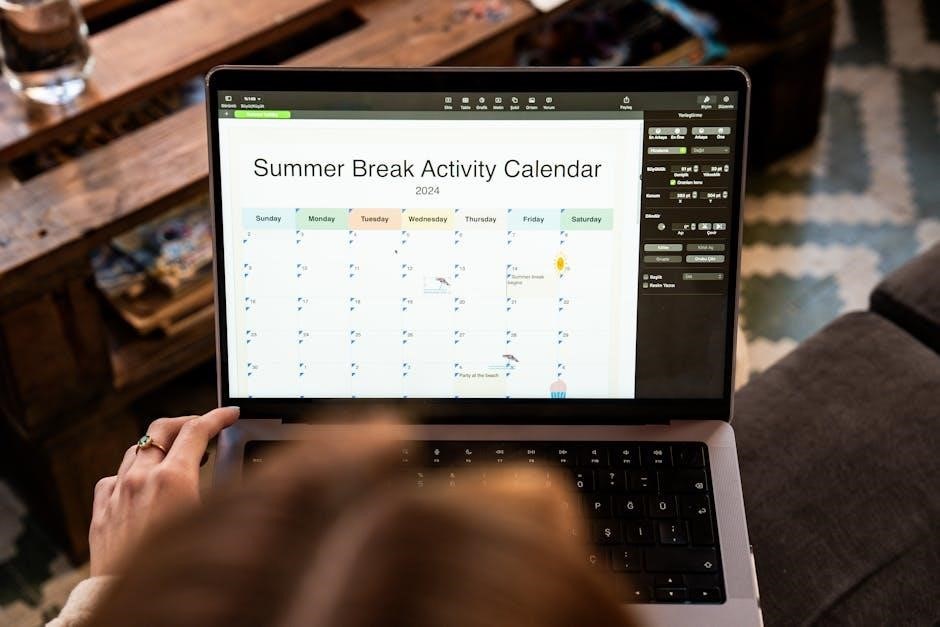
The Pre-Vatican II Roman Rites Calendar
Before the changes of Vatican II, the Catholic Church followed a distinct liturgical calendar, deeply rooted in tradition. This calendar, the basis for Gabriel of St. Mary Magdalen’s Divine Intimacy, organized the year around specific feast days, seasons, and commemorations. It emphasized a particular order of saints and liturgical observances differing from the modern calendar.
Understanding this historical context is crucial when utilizing Divine Intimacy. The meditations were specifically written to correspond with this older system. Key differences include the timing of certain feasts and the prominence given to specific saints. For those unfamiliar, a guide – such as a set of daily cards – is invaluable for navigating the meditations correctly.
The pre-Vatican II calendar offered a rich tapestry of spiritual reflection, and Divine Intimacy serves as a powerful companion for those wishing to engage with this tradition. It provides a daily pathway to deepen one’s interior life, aligned with the Church’s historical rhythm of prayer and penance.
How Divine Intimacy Relates to the Liturgical Calendar
Gabriel of St. Mary Magdalen intentionally structured Divine Intimacy to align with the pre-Vatican II Roman Rites liturgical calendar. Each daily meditation is designed to correspond with the specific feast day or liturgical season observed in that traditional calendar. This isn’t a random arrangement; it’s a deliberate pairing meant to enhance spiritual understanding.
The meditations aren’t simply about the liturgical season, but rather flow from it. They offer a profound reflection on the mysteries celebrated by the Church, inviting the reader to enter more deeply into the spirit of each day. Using a calendar guide ensures the correct meditation is read on the appropriate day, maximizing its impact.
This connection is vital because the liturgical calendar itself is a powerful tool for spiritual growth, reminding us of God’s saving work throughout the year. Divine Intimacy amplifies this effect, providing a personal and intimate response to the Church’s universal call to holiness.
Importance of Following the Calendar for Optimal Benefit
Adhering to the calendar is crucial for experiencing the full benefits of Divine Intimacy. Reading the meditations out of sequence diminishes their power, as the author built upon previous reflections, creating a progressive spiritual journey. The calendar provides the necessary structure to unlock this intended flow.
Following the pre-Vatican II calendar, as the book was designed for, allows for a deeper resonance with the Church’s traditional understanding of the liturgical year. It’s not merely about historical accuracy, but about aligning oneself with a proven path of spiritual growth cultivated over centuries.
Without the calendar, the meditations risk becoming isolated thoughts, losing their contextual richness. The guide ensures each reflection builds upon the last, fostering a consistent and deepening intimacy with God. Utilizing the provided cards or PDF simplifies this process, making daily adherence achievable.

The 2024 Calendar Guide
This section outlines the daily meditations for each month of 2024, aligning with the pre-Vatican II liturgical calendar.
It begins in December, offering a structured path
for deepening spiritual life through Divine Intimacy.

December 2024: Starting the Journey
As the liturgical year commences, December 2024 provides a foundational period for embarking on the path of Divine Intimacy. The meditations for this month, rooted in the pre-Vatican II Roman Rites calendar, focus on preparing the soul for the coming celebrations of Christmastide. This initial phase encourages a gentle yet deliberate turning inward, fostering a receptive heart open to God’s grace.
Each day’s meditation offers insights into cultivating a deeper awareness of God’s presence in everyday life. Consider utilizing the provided calendar cards – or a PDF version – to ensure alignment with the correct reading for each date. This is particularly crucial given the book’s structure, designed to be followed sequentially with the liturgical year.
December’s readings often emphasize themes of anticipation, humility, and the importance of interior silence. Allow these themes to permeate your prayer life, creating space for a more profound encounter with the Divine. This month sets the tone for the entire year, establishing a rhythm of daily meditation and spiritual growth. Embrace this beginning with an open heart and a willingness to surrender to God’s loving will.
January ⸺ February 2024: Focusing on Initial Spiritual Growth
Following the commencement in December, January and February 2024 within the Divine Intimacy calendar guide concentrate on solidifying initial spiritual growth. These months, aligned with the post-Christmas season and the approach to Lent, delve into themes of self-knowledge, detachment, and the pursuit of virtue. The meditations encourage a deeper examination of one’s motives and desires, fostering a greater alignment with God’s will.
Continue utilizing the daily calendar guide – whether in card or PDF format – to maintain the correct sequence of readings. This period is ideal for establishing a consistent daily meditation practice. Even fifteen to twenty minutes each day can yield significant spiritual benefits. Focus on absorbing the wisdom offered by Gabriel of St. Mary Magdalen, allowing it to resonate within your heart.
January and February’s readings often highlight the importance of overcoming obstacles to spiritual progress, such as worldly attachments and habitual sins. Embrace this as an opportunity for purification and renewal, preparing your soul for the more intense spiritual exercises of Lent.
March ⎼ May 2024: Deepening the Connection
As the liturgical year progresses into March, April, and May 2024, the Divine Intimacy calendar guide shifts its focus towards deepening the connection with the Divine. This phase, encompassing Lent, Easter, and the Easter season, invites a more profound immersion into the mysteries of Christ’s Passion, Death, and Resurrection. Meditations during these months emphasize the transformative power of grace and the necessity of complete surrender to God’s love.
Utilize this period to intensify your prayer life, perhaps incorporating additional practices like the Rosary or Stations of the Cross. The readings will challenge you to embrace self-denial and to actively participate in Christ’s redemptive work. Pay close attention to the themes of sacrifice, forgiveness, and the joy of the Resurrection.

The calendar guide ensures you’re following the pre-Vatican II liturgical order, providing context for the meditations. Allow the wisdom of Gabriel of St. Mary Magdalen to illuminate your path, fostering a more intimate and enduring relationship with God.

Utilizing the Calendar Effectively
Maximize your spiritual journey by consistently using the calendar with daily meditations. Integrate it seamlessly into your personal prayer life,
and explore available resources like PDFs and helpful cards.
Daily Meditation with Divine Intimacy
Embarking on a daily meditation practice with Divine Intimacy requires a mindful approach aligned with the liturgical calendar. The book’s meditations were specifically crafted to correspond with the pre-Vatican II Roman Rites calendar, offering a unique spiritual rhythm. Begin each day by consulting the calendar guide – whether utilizing the full PDF version or the convenient daily cards – to identify the appropriate meditation for that date.
Dedicate a quiet space and time, free from distractions, to fully immerse yourself in the reading. Don’t rush; savor each word and reflect on its meaning. Consider journaling your thoughts and feelings as they arise during meditation. This practice fosters a deeper understanding of the text and its application to your personal life.

The goal isn’t simply to read the meditation, but to live it. Allow the insights to permeate your thoughts, actions, and interactions throughout the day. Consistent daily practice, guided by the calendar, will cultivate a profound and lasting connection with the Divine.

Integrating the Calendar with Personal Prayer Life
The Divine Intimacy calendar isn’t meant to replace your existing prayer life, but rather to enrich and deepen it. View the daily meditations as a focal point, a springboard for more intimate conversation with God. After reading the assigned meditation, spend time reflecting on how its themes resonate with your personal experiences and spiritual needs.
Incorporate the insights gained into your usual prayers – whether vocal prayers, contemplative prayer, or simply heartfelt conversation. Allow the meditation to inform your intentions and guide your petitions. Consider using the themes of the day to structure your prayer, focusing on the virtues or mysteries highlighted in the reading.
Furthermore, the calendar can inspire new forms of prayer, such as offering specific acts of devotion or performing acts of charity aligned with the day’s spiritual focus. This synergistic approach – combining the structured guidance of the calendar with the freedom of personal prayer – unlocks a powerful pathway to divine intimacy.
Resources for Following the Calendar (PDFs, Cards)
Successfully navigating the Divine Intimacy calendar requires understanding the pre-Vatican II Roman Rites liturgical year, which differs from the modern calendar. Thankfully, several resources are available to assist you. Our Lady of Grace Catholic Bookstore offers a set of seven daily guide cards, specifically designed to help you align the meditations with the correct dates.
These cards provide a simple, at-a-glance reference, eliminating the need to constantly consult a full liturgical calendar. Digital options also exist; searches online reveal PDF versions of the calendar, allowing for convenient access on various devices. Serena Barbieri’s Rice University Campus Wiki page also references calendar information.
Remember to verify the source and accuracy of any downloaded PDF. Utilizing these resources – whether physical cards or digital calendars – ensures you’re reading the meditations in their intended sequence, maximizing their spiritual benefit and fostering a deeper connection with the divine.

Beyond the Calendar: Expanding Divine Intimacy
The calendar serves as a foundation, but true intimacy extends beyond scheduled readings. Sharing this practice with others, especially within Secular Carmelite communities,
deepens the spiritual journey for all involved.
Secular Carmelites and Divine Intimacy
For Secular Carmelites, Divine Intimacy holds a particularly significant place in their spiritual formation and daily lives. The book’s meditations, rooted in the traditions of the Carmelite Order and specifically aligned with the pre-Vatican II liturgical calendar, offer a profound pathway to union with God. This alignment isn’t accidental; Gabriel of St. Mary Magdalen crafted the work to be a companion to the traditional liturgical year.
The calendar guide, therefore, becomes an invaluable tool. It ensures that Carmelites are engaging with the appropriate meditation for each day, deepening their understanding of the liturgical seasons and their connection to the mysteries of faith. It’s more than just reading; it’s a deliberate immersion into the spiritual rhythm of the Church, as understood within the Carmelite tradition.
Furthermore, utilizing the calendar fosters a shared experience within the Secular Carmelite community. Discussions centered around the daily meditations can enrich group meetings and provide mutual support on the path to holiness. The book’s emphasis on interior life resonates deeply with the Carmelite charism, making it a cornerstone of their spiritual practice.
Sharing the Practice with Others
The benefits of utilizing the Divine Intimacy calendar extend beyond personal enrichment; it’s a practice ripe for sharing. Introducing others to this method of spiritual growth can foster a ripple effect of deepened faith and contemplative prayer. Consider recommending the book and calendar guide to friends, family, or fellow members of your faith community.
Creating small study groups focused on the daily meditations is a powerful way to encourage consistent engagement. Sharing insights and experiences can illuminate the text in new ways and provide mutual accountability. Offering to guide someone through the initial stages of using the calendar – explaining the pre-Vatican II liturgical structure – can be particularly helpful.
Simple acts, like gifting a set of the daily guide cards or a PDF version of the calendar, can spark interest. Remember to emphasize that while designed with Carmelites in mind, the principles are universally applicable to anyone seeking a more profound relationship with God through daily meditation and liturgical observance.
Further Reading and Spiritual Resources
To complement your journey with the Divine Intimacy calendar, exploring additional resources can significantly deepen your understanding of the spiritual life. Works by St. Thérèse of Lisieux, the Little Flower, offer profound insights into childlike trust and love of God, resonating with the book’s core themes.
Investigating the history and structure of the pre-Vatican II Roman Rites liturgical calendar will provide valuable context for understanding the meditations’ intended flow. Resources detailing the traditional Catholic liturgical year are readily available online and in theological libraries.
For those interested in the Carmelite Order, further reading on its history, spirituality, and saints – such as St. John of the Cross and St. Teresa of Ávila – will enrich your experience. Websites dedicated to Carmelite spirituality and Secular Carmelite communities often provide valuable articles, prayers, and guidance. Consider exploring online forums and communities dedicated to contemplative prayer and spiritual growth for continued support and inspiration.